
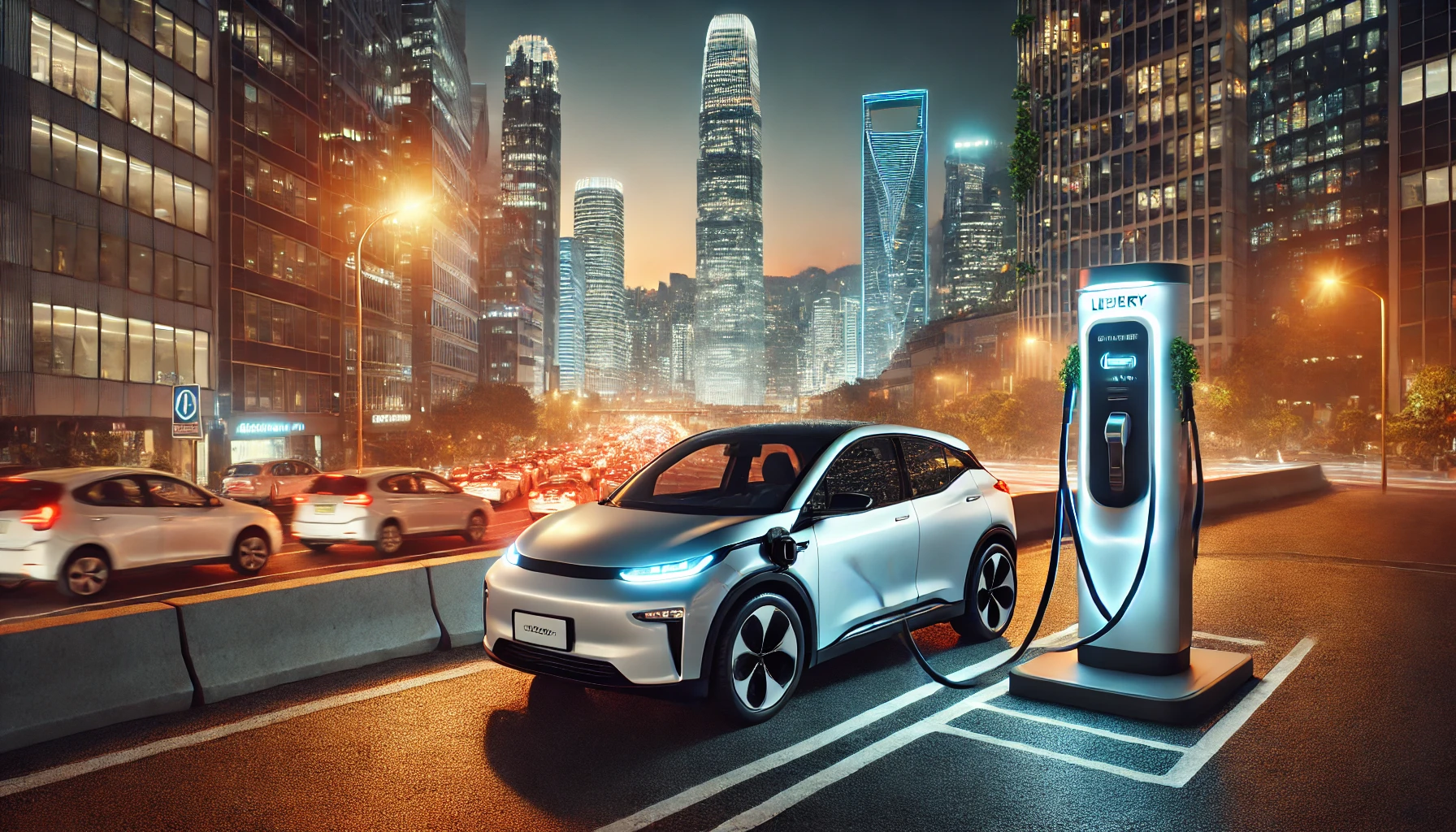
Introduction to Modern Driving
The automotive landscape is experiencing a remarkable transformation as society shifts its focus from traditional, fuel-powered vehicles to innovative electric and alternative energy solutions. Modern driving is increasingly characterized by an emphasis on sustainability, efficiency, and eco-friendliness, signaling a movement towards more responsible transportation methods. This evolution is not solely about the technology; it encompasses a broader reimagining of the driving experience itself.
One of the most notable advancements is the introduction of electric vehicles (EVs). Unlike their gasoline counterparts, EVs operate on electric power, harnessing energy from rechargeable batteries rather than fossil fuels. This transition contributes to a dramatic reduction in greenhouse gas emissions, as well as improved air quality in urban environments. Furthermore, the development of alternative energy sources, such as hydrogen fuel cells and biofuels, also plays a crucial role in this reformation, aiming to create a diverse and sustainable energy ecosystem for the automotive sector.
Additionally, the silent operation of electric vehicles presents a unique aspect of modern driving. The near-silent nature of EVs contributes to reducing noise pollution, particularly in densely populated areas. This quietness enhances the driving experience while promoting a more serene environment for both drivers and pedestrians. Moreover, advancements in technology facilitate the integration of smart systems that optimize energy efficiency, ultimately providing users with an enhanced level of convenience and connectivity.
In summary, the transition to modern driving signifies a pivotal moment in the automotive industry, propelling society towards a future that is not only innovative but also more harmonious with our planet. The embrace of silent, fuel-free, and eco-friendly vehicles holds promise for the continued evolution of transport, steering us towards a more sustainable and environmentally conscious era.
The Rise of Electric Vehicles and Alternative Energy Sources
The automotive landscape is undergoing a significant transformation as electric vehicles (EVs) and alternative energy sources gain prominence. The evolution of EV technology has been marked by remarkable advancements that enhance performance, efficiency, and range. Innovations in battery technologies, such as lithium-ion and solid-state batteries, play a crucial role in extending the driving distance of electric vehicles while reducing charging times. These improvements make EVs increasingly competitive with their internal combustion engine counterparts, sparking a shift in consumer preferences towards more eco-friendly options.
Government policies globally are increasingly supportive of this transformative movement. Initiatives such as tax incentives, rebates for electric vehicle purchases, and funding for research and development underscore the commitment to promoting a greener future. Many nations aim to phase out traditional gasoline vehicles and have set ambitious targets for EV adoption. This momentum is not confined to personal vehicles alone; commercial fleets are also transitioning to electric and hydrogen fuel cell technologies, which can substantially reduce emissions and operating costs.
The acceptance of eco-friendly vehicles among consumers is on the rise as awareness of environmental issues grows. The perception of electric vehicles as a viable, stylish, and sustainable alternative is aided by expanding model offerings from a diverse array of manufacturers. Additionally, as the infrastructure for charging stations and hydrogen refueling points expands, the convenience factor further increases consumer confidence in adopting these new technologies.
To foster widespread adoption of electric vehicles and alternative energy sources, significant infrastructure developments are essential. This includes the establishment of robust networks of charging stations, improvements in grid capacity to accommodate increased electricity demand, and developments in smart grid technologies. The cooperation between the public and private sectors is critical to creating a supportive ecosystem that will facilitate the larger influx of EVs and make eco-friendly transportation a realistic option for individuals and businesses alike.
The Benefits of Silent Driving: A New Era of Peacefulness
The rise of electric and alternative energy vehicles heralds a new era of silent driving, which offers numerous advantages for urban living. One of the most prominent benefits is the significant reduction in noise pollution. Cities are often inundated with the sounds of traffic, creating an auditory backdrop that can be both disruptive and overwhelming. With the advent of quieter vehicles, urban areas can experience a transformation, fostering environments where peace and tranquility can thrive. This reduction in noise not only enhances the quality of life for residents but also facilitates a more enjoyable experience for pedestrians and cyclists navigating the streets.
Moreover, silent driving has profound implications for mental health. Studies have shown that lower noise levels can lead to reduced stress and anxiety, contributing to a healthier urban lifestyle. When constant noise is alleviated, individuals can enjoy more peaceful walks or bike rides, promoting overall well-being. This tranquility is particularly important in urban areas where individuals often face high levels of stress due to daily commutes and crowded environments. As electric vehicles become more prevalent, cities can pave the way for wellness through enhanced acoustic environments, allowing for leisurely activities and fostering community connections.
Furthermore, quieter vehicles enhance safety on the roads. The reduced noise levels allow pedestrians and cyclists to hear their surroundings better, improving awareness and reducing accident rates. However, this shift to silent driving introduces new considerations for legislation. Authorities may need to implement guidelines that ensure the presence of artificial sounds for vehicles at low speeds, maintaining safety without compromising the peace that silent driving provides. Balancing the tranquility of silent vehicles with the safety of all road users will be crucial in fostering a harmonious urban landscape as we embrace this eco-friendly journey.
Environmental Impact: Driving Towards Sustainability
The advancement of modern driving technologies, particularly electric vehicles (EVs) and alternative energy vehicles, plays a critical role in fostering an eco-friendly approach to transportation. These innovative solutions not only provide a cleaner alternative to traditional gasoline-powered cars, but they also contribute significantly to lowering greenhouse gas emissions, which have become a pressing concern in the fight against climate change. By utilizing renewable energy sources such as solar or wind power, these vehicles can operate with minimal environmental impact, thus enhancing overall sustainability.
One of the key advantages of electric and alternative energy vehicles is their ability to reduce oil dependency, a crucial factor in ensuring energy security and reducing the adverse effects of fossil fuels on the environment. As countries prioritize transitioning to cleaner technologies, the shift away from oil has led to significant reductions in harmful emissions. The life-cycle analysis of these vehicles reveals that, even considering the manufacturing and disposal processes, their overall emissions are often substantially lower than those of conventional vehicles.
Sustainable manufacturing practices are another critical component in the journey towards environmental responsibility. As the production of electric vehicles involves the extraction of specific minerals, it is imperative that manufacturers adhere to eco-friendly practices to minimize their ecological footprint. This includes recycling materials and implementing the use of renewable energy in production. The adoption of such practices not only conserves valuable natural resources but also reinforces the commitment to safeguarding our planet for future generations.
Looking ahead, the future outlook on modern driving technologies appears promising. As advancements continue, it is anticipated that more efficient energy sources and innovative designs will emerge, further enabling the integration of sustainable practices within the automotive industry. Ultimately, embracing eco-friendly driving solutions signals a collective commitment towards achieving harmony with nature while enjoying the benefits of modern transportation.
No responses yet