
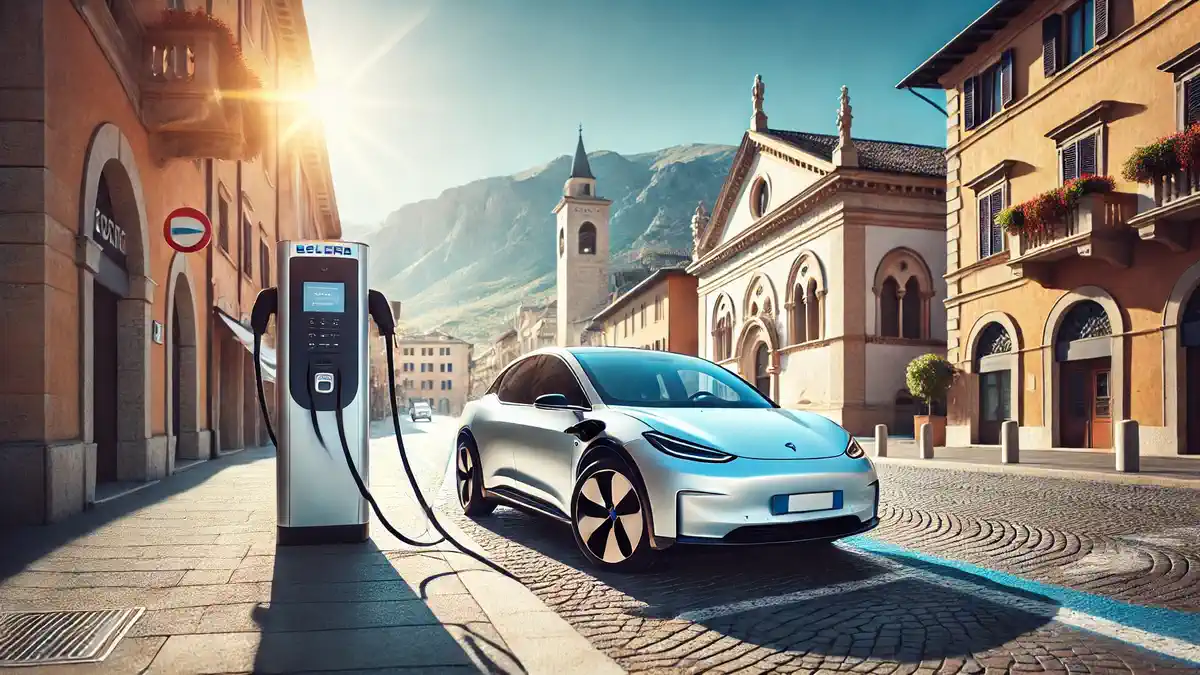
Understanding Harmful Emissions in the Automotive Industry
Harmful emissions refer to the byproducts released into the atmosphere as a result of combustion and other processes in traditional vehicles. These emissions primarily stem from gasoline and diesel engines, where fossil fuels are burned to generate energy. The combustion process produces various pollutants, including nitrogen oxides (NOx), particulate matter (PM), carbon monoxide (CO), hydrocarbons (HC), and carbon dioxide (CO2). While CO2 is a greenhouse gas contributing to climate change, the other pollutants significantly impact air quality and public health.
Statistics reveal that internal combustion engine vehicles are major contributors to harmful emissions. According to the Environmental Protection Agency (EPA), transportation accounts for nearly 29% of total greenhouse gas emissions, with light-duty vehicles contributing approximately 60% of these figures. The levels of NOx emitted by diesel vehicles are particularly concerning, as they can lead to the formation of ground-level ozone, a key component of smog which poses various health risks.
The connection between harmful emissions and public health is undeniable. Studies indicate that exposure to these pollutants can exacerbate respiratory diseases such as asthma, lead to cardiovascular issues, and even cause premature death. The World Health Organization (WHO) has noted that poor air quality, largely influenced by vehicle emissions, results in millions of premature deaths each year. With the ongoing climate crisis, the need for addressing harmful emissions has never been more urgent.
Shifting towards cleaner alternatives is pivotal in mitigating these adverse effects. Electric vehicles (EVs), for instance, produce zero tailpipe emissions, thus significantly reducing air pollution in urban areas. Consequently, it is crucial for consumers, manufacturers, and policymakers alike to prioritize the transition from traditional fossil fuel vehicles to more sustainable options, ultimately fostering a healthier planet and society.
The Benefits of Choosing a Zero-Emission Vehicle
Choosing a zero-emission vehicle (ZEV), such as electric vehicles (EVs) or hydrogen fuel cell vehicles, offers a multitude of benefits that extend beyond mere transportation. One of the primary advantages of ZEVs is their significant contribution to reducing greenhouse gas emissions. Unlike traditional internal combustion engine vehicles, which emit carbon dioxide and other pollutants, ZEVs operate without producing harmful tailpipe emissions. This characteristic plays a crucial role in combating climate change and helps to improve air quality, especially in urban areas where vehicular pollution is a major concern.
Moreover, opting for ZEVs can yield substantial economic benefits for consumers. With the rising prices of fuel, many drivers are turning to electric vehicles, which can be substantially cheaper to operate. EVs offer lower electricity costs per mile compared to gasoline, leading to significant savings over time. Additionally, ZEV owners often enjoy reduced maintenance costs since electric drivetrains have fewer moving parts and fewer components that require regular service. Furthermore, various government incentives, such as tax credits and rebates, can further diminish the upfront purchase cost, making the transition to zero-emission vehicles more appealing.
On a broader scale, choosing ZEVs facilitates positive implications for local communities. The transition to cleaner vehicles contributes to improved public health outcomes by decreasing air pollution-related diseases and creating a healthier living environment. As more individuals and businesses adopt zero-emission transportation, this shift can stimulate local economies, creating jobs associated with green technology and infrastructure development. Ultimately, the commitment to ZEVs stands as a pivotal step toward a sustainable future, empowering individuals to be part of the change for a cleaner, healthier world.
Exploring Different Types of Low-Emission Vehicles
As environmental concerns continue to grow, the automotive industry has made significant strides in developing low-emission vehicles. These vehicles are designed to reduce harmful emissions and cater to a more sustainable future. The four main types of low-emission vehicles currently available are electric cars, hybrids, plug-in hybrids, and hydrogen-fueled vehicles. Each type has its unique technology and operational mechanisms, making it essential for potential buyers to understand their options.
Electric cars are powered entirely by batteries and produce zero tailpipe emissions. These vehicles utilize electric motors, deriving energy from on-board batteries that can be charged at home or through public charging stations. With the increase in EV infrastructure, charging has become more accessible, allowing consumers to recharge their vehicles conveniently. Popular models such as the Tesla Model 3 and the Nissan Leaf exemplify the efficiency and performance that electric cars can offer.
On the other hand, hybrid vehicles combine traditional internal combustion engines with electric propulsion. These vehicles typically rely on their gasoline engines for longer trips while using electric power for short-distance driving. This hybrid technology offers improved fuel efficiency and reduced emissions, making it an attractive option for those who may not be ready to switch to full electrification. The Toyota Prius remains a benchmark in this category, well-regarded for its exceptional fuel economy.
Plug-in hybrids extend this concept further by allowing drivers to charge their battery packs using an external source. This feature allows for longer electric-only driving ranges while still maintaining the convenience of a gasoline engine for longer journeys. Considerable models include the Chevrolet Volt and the Honda Clarity Plug-In Hybrid. Lastly, hydrogen-fueled vehicles use the process of electrolysis to convert hydrogen into electricity, resulting in water as the only byproduct. Although still developing, models like the Toyota Mirai showcase the potential of hydrogen as a clean energy source.
When selecting a low-emission vehicle, it is crucial to evaluate individual needs and lifestyle factors such as daily commutes, charging infrastructure availability, and personal driving preferences. The market continues to evolve, offering diverse options that can meet various needs, making the transition to a more sustainable mode of transportation increasingly achievable.
How to Make the Transition to an Eco-Friendly Vehicle
Transitioning to an eco-friendly vehicle involves a series of thoughtful considerations that can set you on a path towards making a significant environmental impact. Firstly, budget plays a crucial role in determining the type of eco-friendly vehicle you can afford. Whether opting for a fully electric vehicle (EV), a hybrid, or a plug-in hybrid, understanding the total cost of ownership, which includes registration, insurance, and potential maintenance, is essential.
Moreover, determining your vehicle type preferences is another key aspect. Evaluate your daily driving habits—such as your commute distance and driving patterns—to identify the most suitable eco-friendly vehicle model for your lifestyle. Take the time to research various brands and models that meet your environmental criteria. Additionally, consider whether purchasing a new or used vehicle aligns with your financial goals. While new models often come with the latest technology, used eco-friendly vehicles can offer significant savings without compromising on efficiency.
Various governments and local entities provide financial incentives for purchasing low-emission vehicles, such as tax rebates, grants, and special financing options. Researching available programs in your area may yield considerable savings, making the transition more reachable. Leveraging these financial incentives is an advisable step when planning your purchase.
Finding reliable dealers and understanding where to charge your vehicle should not be overlooked. Many online resources, such as charging station maps and dealer ratings, can facilitate research that leads to informed decisions. Furthermore, familiarize yourself with the maintenance requirements for zero-emission vehicles (ZEVs), as these differ from traditional combustion engines. Knowledge about routine maintenance will ensure your eco-friendly vehicle remains efficient and reliable for years to come. By following these steps, you can confidently transition to a vehicle that minimizes harm to the environment while meeting your personal transportation needs.
No responses yet