
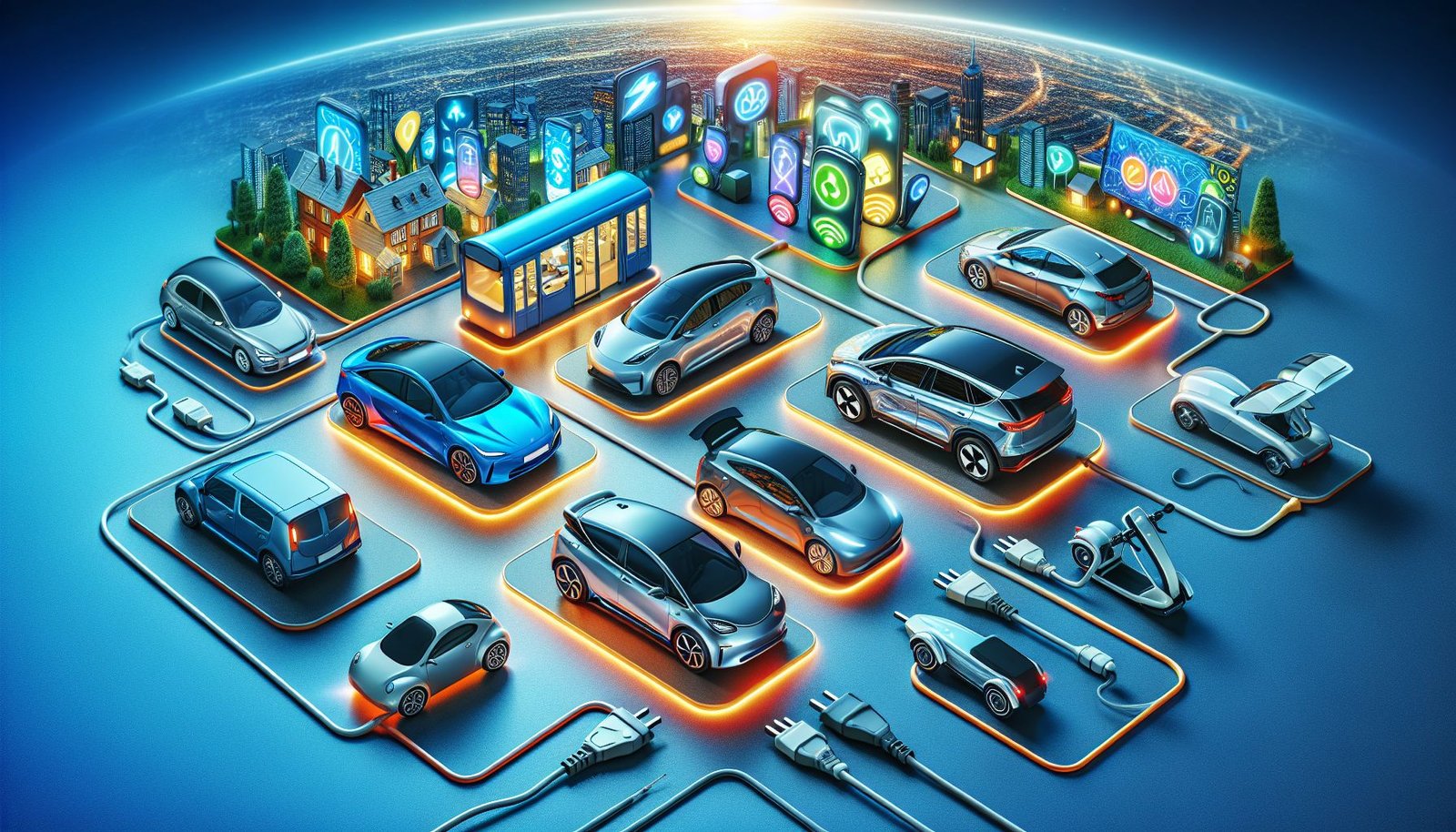
The Rise of Ecological Cars
In recent years, there has been a notable shift towards the adoption of ecological cars, particularly electric vehicles (EVs) and hybrid models. This trend is largely driven by growing environmental concerns and the increasing awareness of the impact of traditional vehicles on air quality and climate change. As global temperatures rise and urban areas grapple with pollution, the need for sustainable transportation solutions has become imperative.
The economic benefits associated with ecological cars further bolster their popularity. Consumers are increasingly recognizing the long-term savings on fuel and maintenance costs that come with using EVs and hybrids. As fuel prices fluctuate, the cost-effectiveness of electric vehicles becomes more appealing, providing a strong incentive for potential buyers. Additionally, technological advancements in battery efficiency and performance have significantly enhanced the usability of these cars, making them a viable option for everyday drivers.
Battery technology is rapidly advancing, leading to longer ranges and shorter charging times, which has addressed many of the concerns surrounding the practicality of electric vehicles. Furthermore, the expansion of charging infrastructure across urban and rural areas continues to improve accessibility for all consumers, aiding in the transition to ecological cars. Charging stations are becoming more widely available, thus reducing range anxiety—a common concern among potential electric vehicle owners.
Shifting consumer preferences also play a crucial role in this rise. An increasing number of consumers prioritize sustainability in their purchasing decisions, leading to heightened demand for vehicles that reflect these values. Many are now looking for alternatives to fossil fuel-powered vehicles. Governments around the world are recognizing these changes and implementing various incentives, such as tax credits and subsidies, to encourage the switch to ecological cars. Additionally, regulations aimed at reducing greenhouse gas emissions are pushing manufacturers and consumers alike toward more sustainable solutions.
Benefits of Ecological Driving
Ecological driving offers a multitude of benefits that extend beyond individual drivers to encompass broader environmental and societal impacts. One of the primary advantages is the significant reduction in carbon emissions. Vehicles that are designed with ecological efficiency in mind, such as electric and hybrid cars, release fewer greenhouse gases compared to their conventional counterparts. This shift contributes to the fight against climate change, helping to mitigate adverse weather patterns and preserve natural ecosystems.
Lower energy consumption is another hallmark of ecological driving. By utilizing advanced technologies, such as regenerative braking and energy-efficient motors, these vehicles maximize the energy extracted from fuels. This efficiency results in lower fuel costs for consumers. Additionally, the trend towards renewable energy usage in powering electric vehicles further enhances energy efficiency, making ecological cars a smart choice for environmentally conscious drivers.
The improvement in air quality that comes with ecological vehicles cannot be overstated. Cities that have prioritized the integration of ecological driving solutions have witnessed marked enhancements in urban air quality, leading to reduced instances of respiratory diseases and other health issues related to air pollution. For example, cities like Oslo and Amsterdam have adopted strict policies for encouraging electric vehicle use, thus resulting in cleaner air and a healthier urban environment.
Furthermore, ecological driving presents financial benefits to drivers and communities alike. Cost savings can be realized through lower fuel expenditures, reduced maintenance requirements, and various tax incentives offered for electric and hybrid vehicle purchases. These savings can have a notable impact on household budgets while promoting sustainable transportation solutions.
Overall, the advantages of ecological driving contribute to a more sustainable future, making it an essential consideration for anyone looking to reduce their environmental footprint while enjoying economic benefits.
Challenges and Misconceptions about Ecological Cars
As ecological cars, including electric vehicles (EVs) and hybrid options, continue to gain traction in the automotive market, several misconceptions and challenges remain prevalent among consumers. One of the most common issues is range anxiety, the fear that a vehicle may run out of power before reaching its destination. However, advances in battery technology have significantly extended the range of ecological cars, with many modern EVs now offering over 300 miles on a single charge. This alleviates many concerns surrounding the practicality of daily use, making ecological cars a viable option for both short trips and long journeys.
Another concern revolves around the availability of charging infrastructure. While it is true that charging stations are not as widespread as traditional fuel stations, rapid growth in charging networks is occurring across urban areas and along major highways. Governments and private companies are investing heavily in expanding these charging facilities, often introducing fast-charging technology that allows drivers to recharge their vehicles in as little as 30 minutes. These developments are not only increasing convenience but also enhancing consumer confidence in making the transition to ecological cars.
The initial purchase price of ecological cars has also been a deterrent for potential buyers, especially when compared to conventional vehicles. It is important to note that, while the upfront cost may be higher, the total cost of ownership often evens out or even favors ecological cars over time. This is due to lower fuel costs, tax incentives, and reduced maintenance requirements, which can lead to significant savings. Furthermore, the continuous decrease in battery costs is making ecological cars more accessible, ensuring that alternative energy vehicles are a smart and economically sound choice for consumers.
By addressing these misconceptions and understanding the advancements within the ecological vehicle sector, consumers may feel more empowered to embrace the future of sustainable transportation.
The Future of Smart Driving with Ecological Cars
The evolution of smart driving is intrinsically linked to the advancement of ecological cars, which are designed to produce minimal environmental impact while enhancing the driving experience. As we look to the horizon, several key trends are poised to reshape transportation: autonomous driving technology, improved connectivity, and shared mobility solutions. Each of these innovations plays a significant role in the sustainable development of our transportation ecosystem.
Autonomous driving technology stands as a cornerstone of future smart driving. Vehicles equipped with advanced sensors and machine learning capabilities promise to enhance road safety and reduce traffic congestion. When integrated with ecological cars, these technologies can lead to optimized driving patterns that minimize energy consumption. For example, autonomous vehicles can communicate with one another and adjust their speeds, ensuring efficient use of resources and reducing their overall carbon footprint.
Connectivity is another crucial trend, enabling vehicle-to-everything (V2X) communication. This allows vehicles to exchange information with traffic signals, road infrastructure, and other vehicles, promoting a seamless flow of traffic. By incorporating ecological principles, connected cars can make real-time decisions that favor energy efficiency, such as rerouting during high traffic or opting for electric charging stations that utilize renewable energy sources.
Moreover, shared mobility solutions are reshaping how we perceive vehicle ownership. Car-sharing and ride-hailing services, especially when centered around ecological vehicles, can lead to fewer cars on the road and subsequently lower emissions. Consumers, alongside manufacturers and policymakers, play a pivotal role in promoting these eco-friendly initiatives. The collective interest in sustainability drives innovation and policy development that supports the future of smart driving.
As manufacturers commit to producing more ecological cars, and as society increasingly embraces these technologies, the convergence of ecological vehicles and smart driving innovations will lead to a transportation ecosystem that is not only efficient but also sustainable, paving the way toward a greener future.
No responses yet