
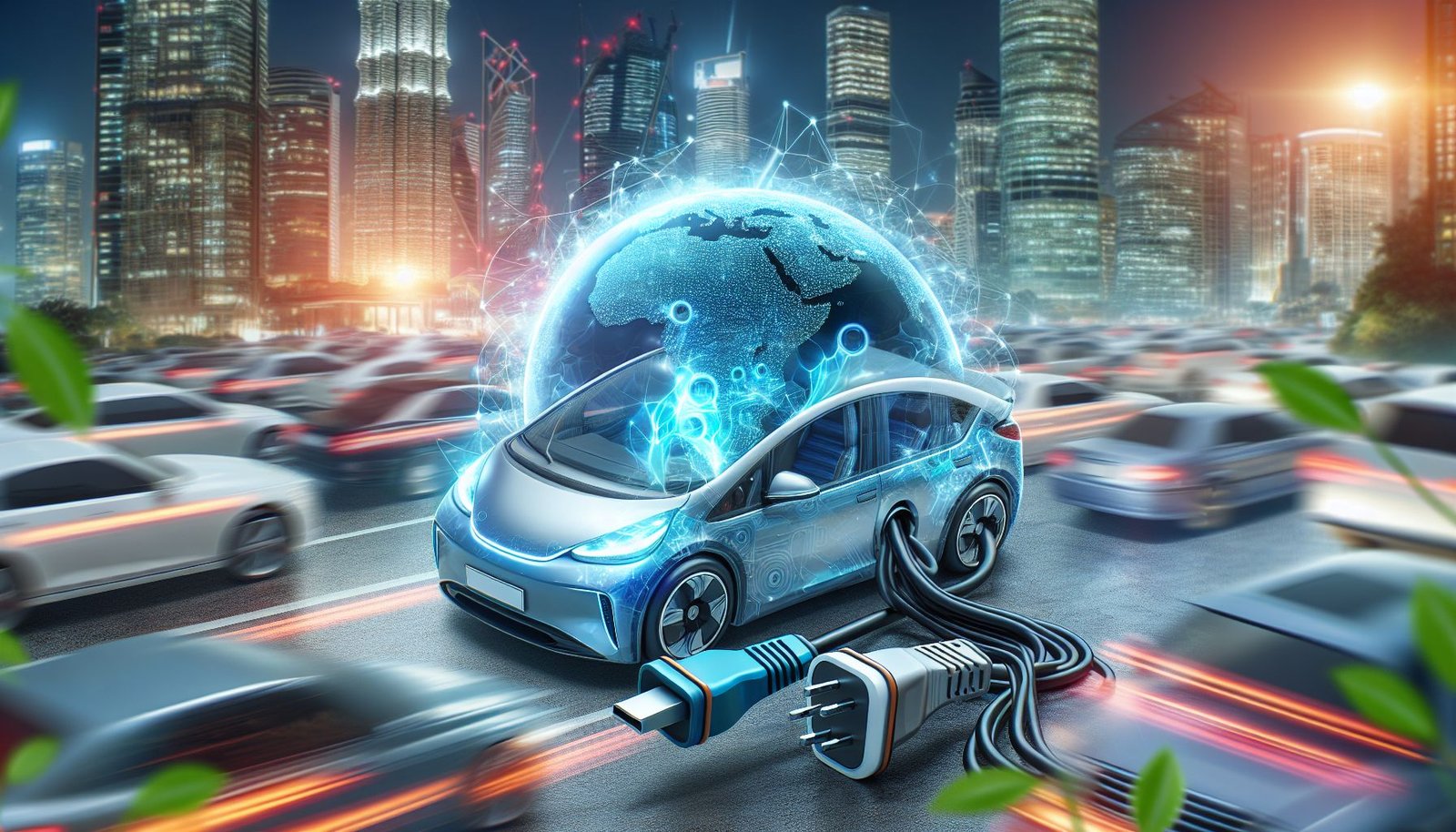
Introduction to Electric Cars
Electric cars, often referred to as electric vehicles (EVs), represent a significant shift in the automotive industry that prioritizes sustainability and efficiency. Unlike traditional gasoline-powered vehicles, which rely on internal combustion engines, electric cars operate using electric motors powered by rechargeable batteries. This fundamental difference marks the beginning of a new era in personal transportation, where the focus is not solely on performance but also on minimizing environmental impacts.
The growth in the popularity of electric cars can be attributed to several factors, most notably the rising concern over climate change and the detrimental effects of fossil fuel consumption. By utilizing electricity as a power source, these vehicles produce zero tailpipe emissions, making them a more eco-friendly option compared to their gasoline counterparts. Additionally, advancements in battery technology have improved the range and efficiency of electric cars, alleviating concerns about charge availability on longer trips.
The driving experience in electric cars is often regarded as particularly enjoyable and comfortable. Electric motors provide instant torque, resulting in smooth and quick acceleration without the vibrations or noise typically associated with gasoline engines. Many EVs also incorporate sophisticated technologies that enhance driver comfort, such as regenerative braking systems and advanced infotainment solutions. This seamless blend of sustainability and comfort demonstrates that consumers no longer need to sacrifice enjoyment for eco-consciousness; electric cars deliver on both fronts.
In conclusion, electric cars are gaining traction as a viable alternative to traditional vehicles, appealing to environmentally conscious consumers. Understanding the operational differences between EVs and gasoline-powered cars underscores the transformative potential of this technology in achieving a sustainable transportation future.
Environmental Benefits of Electric Vehicles
Electric vehicles (EVs) offer significant environmental advantages over traditional fossil fuel-powered vehicles. One of the primary benefits is their potential for reducing greenhouse gas emissions. Unlike gasoline or diesel engines, electric cars produce zero tailpipe emissions, leading to a notable decrease in air pollutants such as nitrogen oxides and particulate matter. This reduction directly contributes to improved air quality, which is essential for public health, particularly in urban areas where traffic congestion tends to exacerbate pollution levels.
Furthermore, the use of electric vehicles supports the transition to renewable energy sources. As the electricity grid becomes increasingly powered by wind, solar, and hydroelectric sources, the carbon footprint associated with charging EVs continues to diminish. When electric cars are charged from renewable energy, they effectively operate as a clean mode of transportation, promoting a sustainable lifestyle among environmentally-conscious consumers. This shift not only lessens dependence on fossil fuels but also aligns with global efforts to combat climate change.
The integration of EVs into society not only signifies a technological advancement but also represents a commitment to preserving the environment for future generations. Electric vehicles are equipped to play a pivotal role in reducing the overall carbon emissions associated with the transportation sector, which is a significant contributor to global warming. As more individuals and businesses transition to electric cars, the cumulative effect can lead to substantial positive changes in climate health. Thus, electric vehicles are not merely a personal choice; they reflect a vital movement towards a sustainable, eco-friendly future.
Comfort and Technology in Electric Cars
Electric vehicles (EVs) have garnered attention not only for their environmental benefits but also for their impressive comfort features and technological advancements. A significant aspect of EV design is the spacious interiors that many models offer. With the absence of a traditional internal combustion engine, manufacturers can repurpose space, resulting in more legroom and cargo capacity. This thoughtful approach to layout is ideal for families or those who regularly embark on lengthy journeys.
Another hallmark of electric cars is the remarkably quiet ride experience they provide. The electric motors operate with minimal noise, allowing for a calm and serene driving experience. This tranquility can enhance driver focus and passenger comfort, setting EVs apart from their gasoline counterparts that often contribute to noise pollution. Additionally, the smooth acceleration of electric vehicles offers a unique driving sensation that enhances the overall journey.
Modern electric cars are also equipped with advanced infotainment systems that combine entertainment, navigation, and connectivity features. These sophisticated systems often come with touchscreen displays, voice recognition technologies, and smartphone integration, ensuring that drivers and passengers remain entertained and informed while on the road. Smart technology plays a crucial role in enhancing the comfort and convenience of driving electric vehicles. Many EVs now boast autonomous driving capabilities, where the vehicle can assist in steering, accelerating, and braking, contributing to a more relaxed driving experience.
The integration of connectivity features in electric cars facilitates real-time updates and assistance, which cater to an increasingly digital lifestyle. With mobile apps, drivers can monitor charging levels, locate available charging stations, and even schedule charging times based on real-time electricity rates. In essence, electric cars are becoming synonymous with modern comfort and sophisticated technology, merging efficient driving with lifestyle needs.
Choosing the Right Electric Car for You
As the automotive industry continues to evolve, the transition to electric vehicles (EVs) presents numerous benefits for environmentally conscious consumers. However, selecting the right electric car requires careful consideration of various factors based on individual needs and preferences.
One of the primary factors to consider is the car’s range. Electric cars typically have a limited driving distance per charge, which can vary significantly between models. Assess your daily driving habits to determine the appropriate range for your lifestyle. If you often embark on long-distance journeys, opt for a model that offers an extended range to ensure convenience.
Another crucial aspect is the availability of charging infrastructure. As charging stations become more prevalent, examine the charging options within your locality. Some electric vehicles support fast charging, which can dramatically reduce the time spent at charging stations. When evaluating your options, consider the ease of charging at home or at work, and whether public charging facilities are easily accessible in your area.
Your budget will inevitably play a significant role in your decision-making process. Electric cars can range in price from affordable options to luxury models. Take into account available tax incentives and rebates that may help offset the initial costs. Additionally, analyze the long-term savings associated with electric vehicles, including lower fuel and maintenance expenses, which can significantly enhance their overall value.
Lastly, prioritize the features that are most important to you, whether that includes advanced safety systems, autonomous driving capabilities, or interior comfort. Many electric cars incorporate innovative technology that enhances the driving experience, making them not only eco-friendly but also enjoyable to drive.
By carefully evaluating these aspects, you can make an informed decision that aligns with your comfort and sustainability goals, ultimately ensuring a smooth transition to electric vehicles.
No responses yet